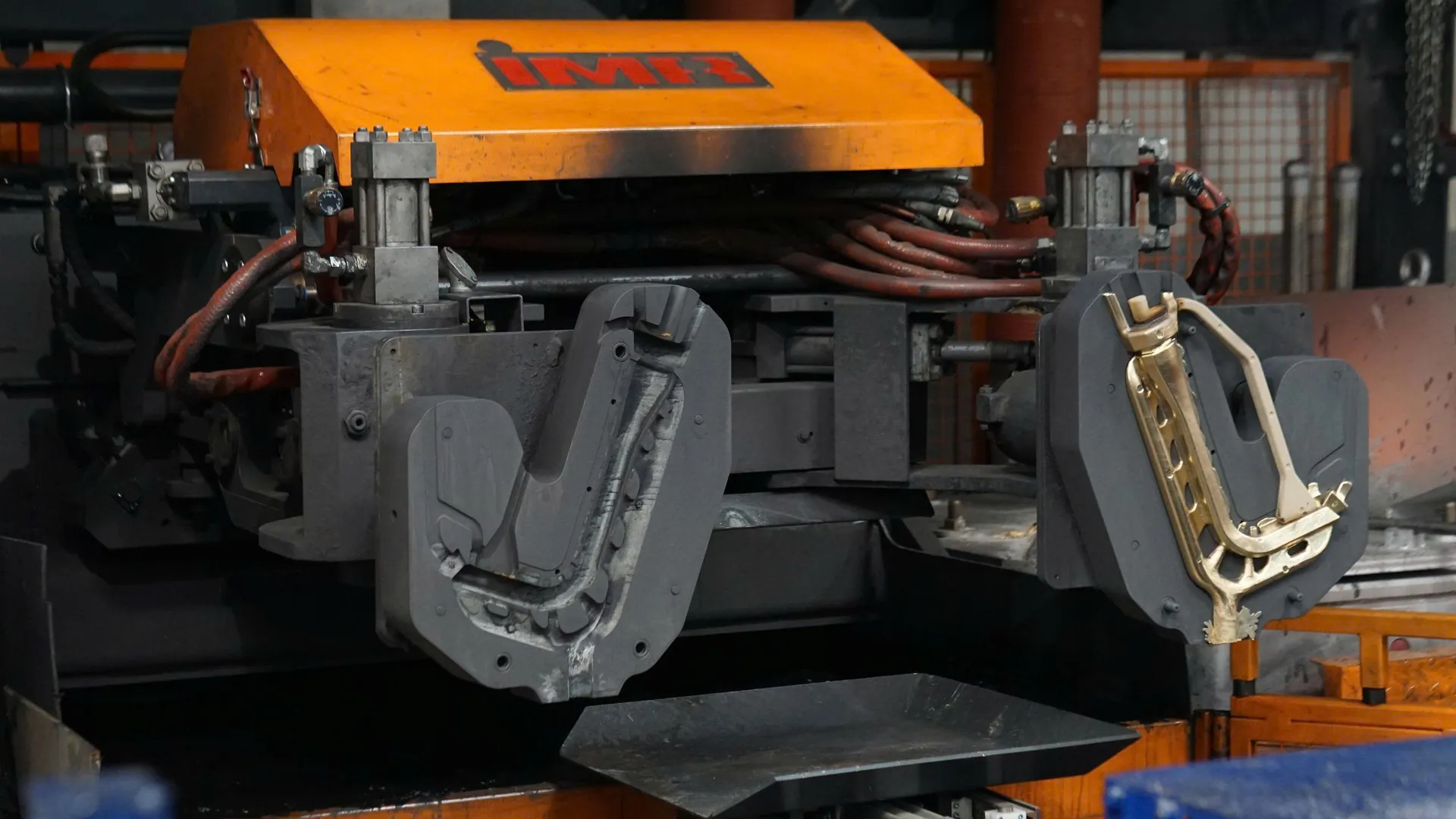
The quality of a luxury faucet is determined long before it reaches the polishing or electroplating stages; it is established in the foundry. The method used to melt brass and form the complex, hollow internal waterways of a faucet body directly affects the material’s structural integrity and aesthetic potential.
For generations, gravity casting was the standard approach for sanitary brassware. However, modern demand for high-performance products and strict international water-safety standards has made Low-Pressure Die Casting (LPDC) the preferred standard for premium, high-efficiency OEMs.
2. Understanding Gravity Casting
Gravity casting involves pouring molten brass into metallic or sand molds under the force of gravity alone. Because the metal enters the mold from the top, it is subject to turbulence, which can trap air and impurities, leading to internal gas porosity and dross inclusions.
While gravity casting tooling is simpler and highly flexible for low-volume production run changes, the process relies heavily on operator skill. Inconsistencies in pouring temperature, speed, and mold venting frequently result in higher defect rates and minor surface defects that are only discovered later during costly polishing or machining.
3. Low-Pressure Die Casting (LPDC)
Low-Pressure Die Casting (LPDC) reverses the filling mechanism. The molten brass is held in a sealed furnace below the mold. When low-pressure dry air is introduced into the furnace chamber, the molten brass is pushed upward through a riser tube directly into the bottom of the mold cavity.
This bottom-up filling method is exceptionally smooth and controlled, preventing metal turbulence. The low pressure is maintained during solidification, ensuring a continuous feed of molten metal into the mold to offset shrinkage, resulting in a dense and defect-free casting.
4. Structure and Density Comparison
Microstructural analysis reveals a significant difference in metal grain density between the two casting techniques. LPDC brass components exhibit a fine, uniform grain structure with virtually zero micro-porosity. This structural density is essential for pressure-retaining plumbing components that must withstand water pressure spikes and temperature fluctuations over decades of use.
Furthermore, the lack of internal porosity prevents leakage risks and eliminates the possibility of toxic heavy metals leaching through micro-cavities into drinking water, satisfying strict international sanitary certifications.
5. Impact on Machining and Plating Success
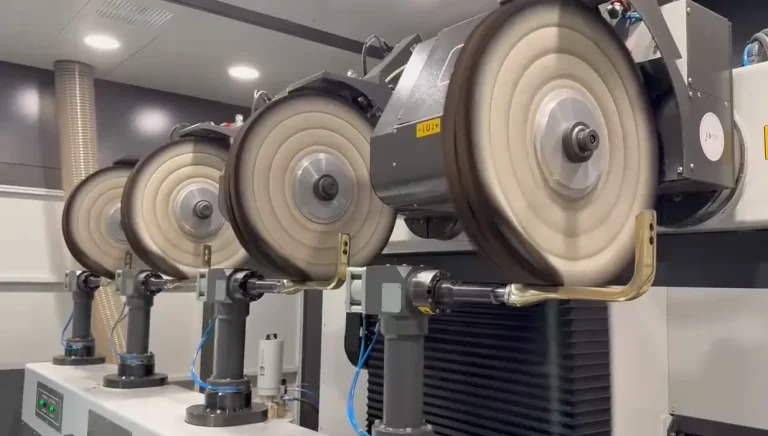
From an operational standpoint, the dense brass structure produced by LPDC yields significant savings during machining, polishing, and electroplating. Porous castings often reveal tiny pinholes only after polishing or chrome plating, leading to high rejection rates at final inspection.
By utilizing LPDC, our OEM partners benefit from consistent part dimensions, uniform wall thicknesses (which optimize raw material usage), and pristine post-plated surfaces. This predictable consistency translates directly to higher yields, faster lead times, and lower overall project costs.
Whether you are exploring plating services, faucet OEM/ODM manufacturing, mold development, or quality documentation support, our team is ready to discuss your project.